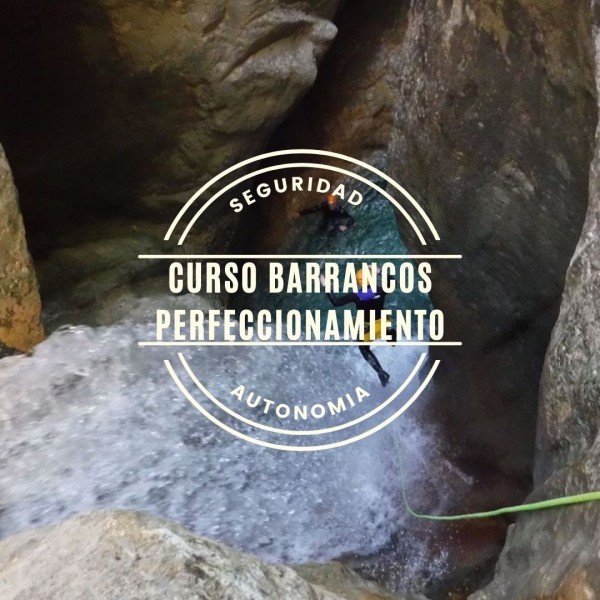
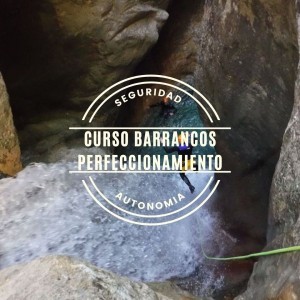
Canyoning progression course in Jaca and the Pyrenees
PirineoSur’s progression course is for participants who already know canyoning and want to develop their technical resources. The information describes two practical days, with a preparatory theory session the previous evening. Jaca is the base, and practical sessions take place in the Aragón and Tena valleys according to canyon conditions.
- Season: May to October.
- Group: 2–6 participants.
- Level: intermediate, with introductory training or previous experience.
- Requirements: swimming ability and fitness for days lasting 6–7 hours.
Who the course is for
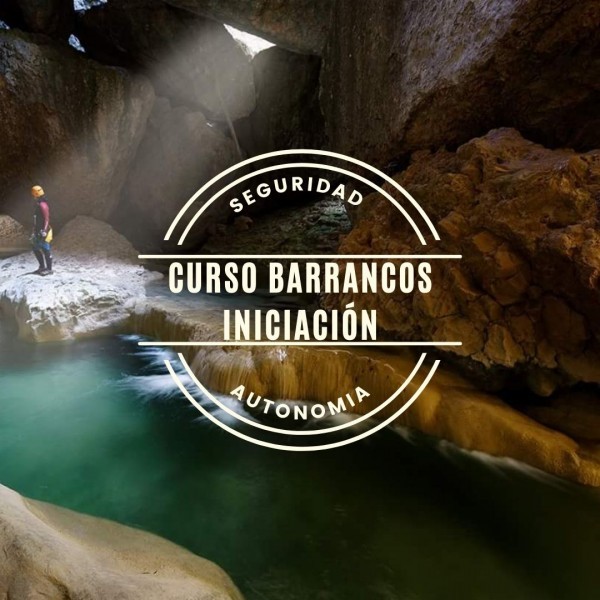
It may suit you if you want to develop rope techniques and your understanding of moving water. This is not a first introduction to canyoning. Describe the canyons you have completed, your training and the techniques you have practised to discuss your learning objectives.
What you will work on
Theory reviews equipment, knots, logistics, whitewater, the environment, route descriptions, grading, weather and water levels. The outline schedule starts with a Friday meeting at 19:00. Practical sessions begin at 09:00 on Saturday and Sunday, with the course ending on Sunday at 15:30.
Practical work includes movement without ropes—scrambling, downclimbing, jumping, diving, swimming and sliding—and rope techniques such as re-belay and guided abseils, fixed systems and rope ascent. Obstacles and currents, whitewater safety, retrievable traverse lines and rope manoeuvres in flowing water are also included.
Equipment and organisation
Two days with a qualified professional canyoning guide, initial assistance insurance, shared and personal equipment, and photos are included. Accommodation, meals and transport are not included. Read the tabs for the specific equipment and loan arrangements.
Bring comfortable clothing for the approach, lace-up footwear with rubber soles and ankle support, swimwear, a towel, and warm, dry clothes for afterwards. Pack water, food and spare shoes. Discuss any equipment needs with the team before attending.
Develop more skills for your canyoning outings
The aim is to understand the techniques you use on canyon descents and broaden the skills you can continue practising. You will connect route descriptions and grades with planning, and work on installing and retrieving equipment alongside movement in water. Varied exercises let you review habits from previous outings, ask questions and receive feedback. Identifying which skills to consolidate helps you make better-informed choices for future canyoning objectives.
Questions before booking
What previous experience is required?
An introductory course or previous canyoning experience, swimming ability and fitness for days of 6–7 hours.
Does the course cover two or three days?
It includes a preparatory evening theory session and two practical days. Confirm these arrangements when choosing your dates.
What information should I send?
Your dates, participant numbers, previous training, canyoning experience and available equipment will help clarify the course proposal.
Which rope techniques are covered in this intermediate course?
The programme includes split and guided abseils, fixed installations, ascending a rope and retrievable hand lines. Anchors, rope installation and retrieval are also reviewed through supervised practice.
Will we work on currents and water safety?
Yes. Topics include obstacles and currents, whitewater safety and techniques in flowing water, alongside swimming, underwater movement, jumps and slides as part of movement without ropes.
Does the course include self-rescue?
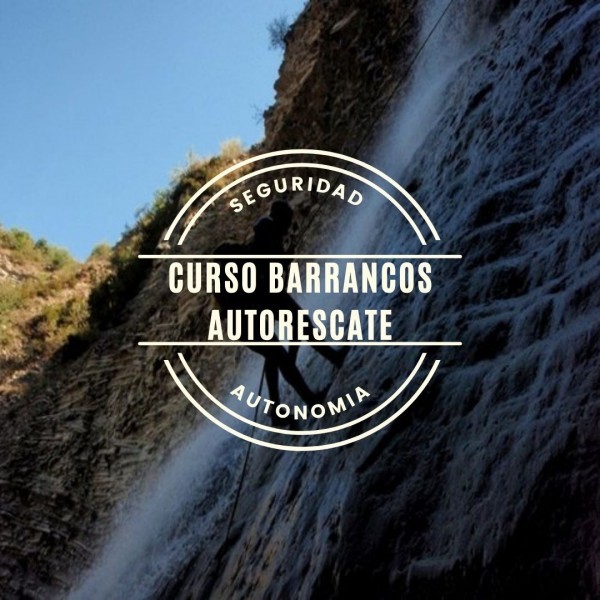
Incident-solving and self-rescue exercises form part of the training. Feedback at the end helps review the practical work and identify techniques to keep consolidating.
How much time should I allow for the preparatory session?
The usual programme starts on Friday at 19:00 with theoretical preparation. Practical sessions start at 09:00 on Saturday and Sunday, finishing at 15:30 on Sunday. Confirm the timetable for your course dates.
Do I need to buy a wetsuit, harness and equipment beforehand?
Individual and group equipment are listed as included, along with two days with a qualified canyoning guide and initial assistance insurance. Ask about the items and loan arrangements, and explain what you need. Bring personal clothing, footwear, food, water and a dry change.
Anchor checks, rope setup and retrieval, and exercises in incident management and self-rescue complete the technical work. Final feedback reviews the skills practised and helps guide future progression; it does not replace the experience required for new objectives.
Ask PirineoSur about dates and availability.
 |