Canyoning self-rescue course in the Spanish Pyrenees
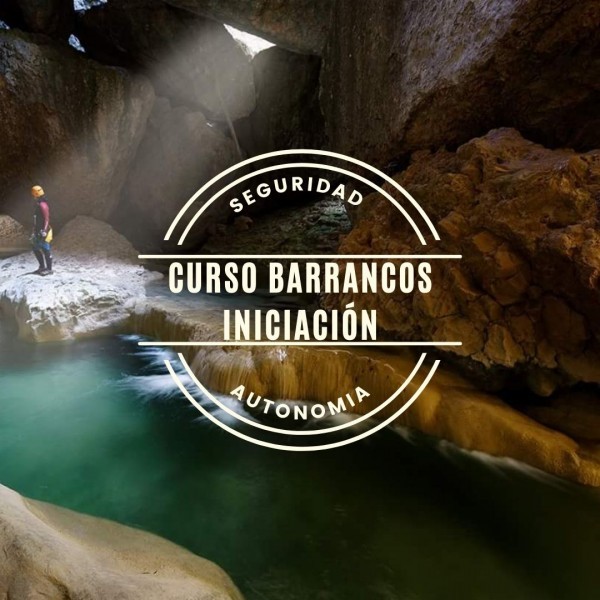
PirineoSur’s canyoning self-rescue course works on preparation and manoeuvres for incidents during a descent. The information describes two practical days and a preparatory theory session the previous evening. Jaca provides the classroom and equipment base; practical sessions take place in the Aragón and Tena valleys according to canyon conditions.
The aim is to develop skills you can continue practising for an organised response to canyoning incidents. Training connects assessment of a situation with equipment and rope techniques through supervised exercises. You can review knowledge from courses or personal experience and ask about difficulties encountered on previous descents. Describe the skills you already use so the work starts from your current level.
- Season: May to October.
- Group: 2–6 participants.
- Level: intermediate, with level 1 training or previous experience.
- Fitness requirements: swimming ability and capacity for 6–7-hour days.
Who the course is for
It is intended for canyoners wanting to develop their knowledge of safety and self-rescue, following previous training or personal experience. Describe the courses you have completed, the canyons you know and the techniques you have practised to discuss your learning needs.
What you will work on
Theory includes casualty assessment, activity-related problems, hypothermia and suspension trauma, casualty transport, helicopter evacuation and self-rescue equipment preparation. These are syllabus topics; practical techniques are worked on through exercises during the course.
Practical topics include specialist knots, rope ascent, escape and changeover manoeuvres, abseiling on tensioned ropes and rigging equipment. The programme continues with moving an injured person, zip lines, hauling systems, short lifts, counterbalance methods, rope cutting and rescue on a tensioned rope. The outline schedule starts with a Friday meeting at 19:00; practical days begin at 09:00 and the course ends on Sunday at 15:30.
Equipment and organisation
Two days with a qualified professional canyoning guide, initial assistance insurance, shared and personal equipment, and photos are included. Accommodation, meals and transport are not included. Read the tabs for the specific equipment and loan arrangements.
Bring comfortable clothing for the approach, lace-up footwear with rubber soles and ankle support, swimwear, a towel, and warm, dry clothes for afterwards. Pack water, food and spare shoes. Discuss any equipment needs with the team before attending.
The training can follow an introductory or improvement course and practice of its exercises, or help review skills learned independently. Rescue situations are practised under supervision; learning a manoeuvre does not remove the need for experience and assessment of the setting.
Frequently asked questions
Who is the canyoning self-rescue course for?
Canyoners with level-one training or previous experience who want to develop safety and self-rescue skills. It also provides a way to review self-taught knowledge.
What fitness do I need?
Swimming ability and fitness for six- to seven-hour days. Describe previous canyons and your preparation to assess suitability.
How long is it and when does it start?
Two practical days plus theory the previous evening. The indicative welcome is Friday at 19:00; practice starts at 09:00 and the course finishes Sunday at 15:30.
What does the theory session cover?
Casualty assessment, canyoning-specific problems, hypothermia and harness syndrome, casualty transport, helicopter transport and preparation of self-rescue equipment.
Which manoeuvres are practised?
Special knots, rope ascent, escape and conversion, movement with casualties, tensioned lines, hauling, lifting, counterbalance and taut-rope rescue scenarios, under supervision.
Where does it run and what is the group size?
Jaca is the classroom and equipment base, with practice in Aragón and Tena depending on conditions. It is offered May–October for two to six people.
Which equipment and services are included?
Two days with a qualified canyoning guide, shared and individual equipment, initial assistance insurance and photographs. Review the technical list and clarify what to bring or borrow.
Which expenses and personal kit do I arrange separately?
Accommodation, meals and transport are excluded. Bring supportive footwear, approach clothing, swimwear, towel, water, food and dry warm clothes for afterwards.
Ask about dates and plan your outing with PirineoSur.
 |